







Choosing a 5000mAh built-in connector power bank is easiest when the job is written down first. In this case, the target is short trips and emergency top-ups without a loose cable. That goal affects connector choice, placement, power expectations, handling and the test sequence. This article uses a present 3C Easy catalog item as a concrete example while separating facts visible on the listing from general selection and safety guidance.
Begin with the operating requirement
The intended result is short trips and emergency top-ups without a loose cable. Note the devices involved, connector or mounting interface, expected duration, working environment and any limitation that cannot change. This prevents a convenient feature from distracting from a basic mismatch. For business purchases, include who will install or use the item and how a return will be diagnosed.
Map the usual location of the portable power setup: outlet position, cable reach, ventilation, devices used together and how often the catalog item will be packed. This simple map exposes problems that a model title cannot show, such as a cable under tension, blocked airflow, an awkward port position or a device that requests more power than the source can provide.
What the catalog entry actually establishes
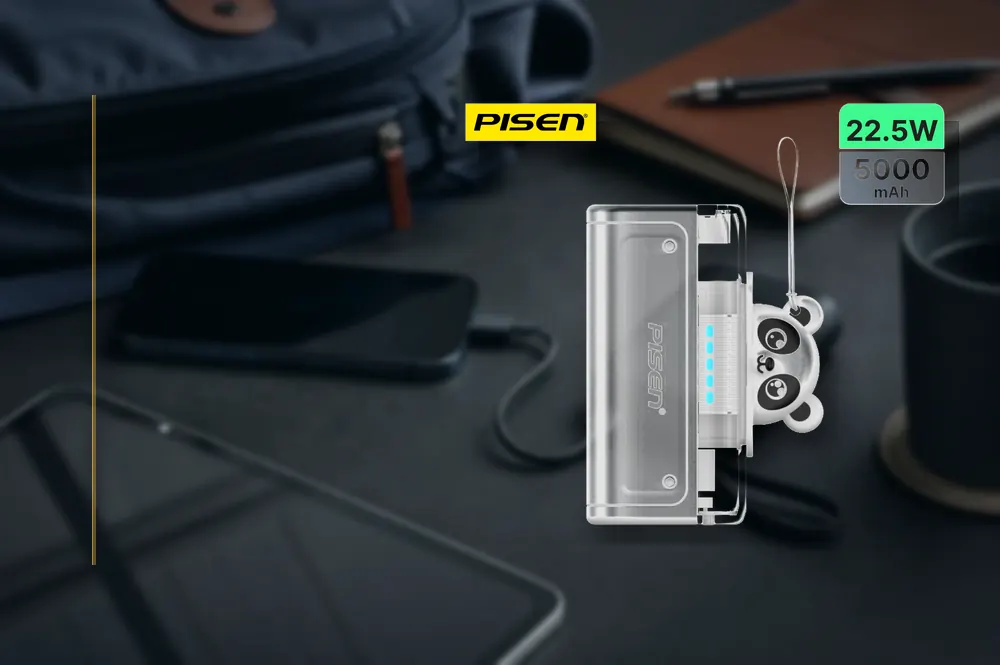
The available catalog example is PISEN 2-in-1 Power Bank with Integrated Connector 5000mAh 22.5W TP-D139. Its published name identifies 2, 1, 5000mAh, 22.5W. Those details are evidence for the named unit being discussed, but they do not prove every unstated feature, protocol, certification or compatible device. Verify the active listing and packaging ahead of checkout, especially when a regional plug, device generation, connector revision or included accessory could change the outcome.
Record the rated capacity, declared output and model, then list the devices that the battery is expected to support. PISEN 2-in-1 Power Bank with Integrated Connector 5000mAh 22.5W TP-D139 identifies 2, 1, 5000mAh, 22.5W, but delivered energy will be lower than a simple mAh-to-mAh decision suggests. A practical purchase note states whether the priority is emergency phone power, a mobile workday or reduced cable clutter.
Make sure the controlling specification
Capacity printed in mAh is not the same as energy delivered at the equipment in question connector. Conversion losses, output voltage, battery condition, cable resistance and the receiving device all affect usable results. High output and large capacity answer distinct questions: output concerns instantaneous power, while capacity concerns stored energy. Plan around the receiving hardware battery and workload instead of promising an exact number of charges from the label alone.
Use the connected equipment manufacturer’s documentation as the assembled authority for its input, connector and service process. The U.S. Fire Administration lithium-ion battery safety guidance provides informative standards context. The USB-IF information about USB Power Delivery adds a second reference for the relevant safety or interface question. An official source explains the standard; it does not certify a specific retail product unless that product is explicitly listed by the source.
Look over before fitting the item or first use
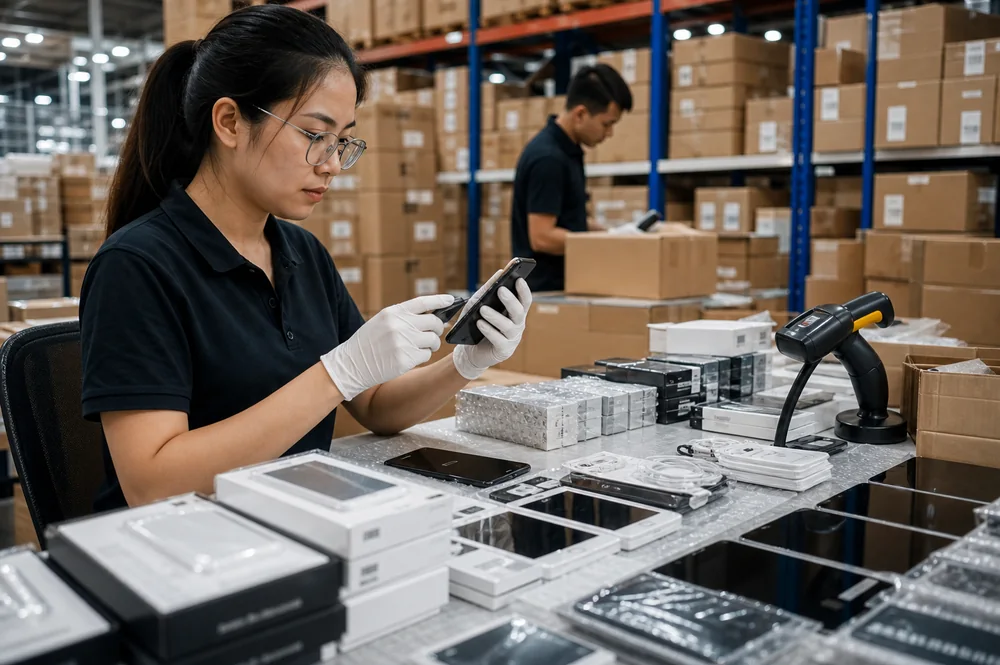
Examine the housing, ports, plugs, cable exits and labels before applying power. Look for cracks, bent contacts, exposed conductor, contamination or loose movement. Begin with one familiar test device and observe recognition, connection stability and temperature before adding another load. Stop if there is odor, arcing, intermittent disconnecting or unusual heat.
Record the selected version, date, test equipment and noted result. A repair shop can add the job number; a retailer can note the supplier lot; an individual user can retain the order reference. Evidence tied to the correct item is more useful than a broad quality claim and makes a future complaint easier to isolate.
Use a controlled commissioning check
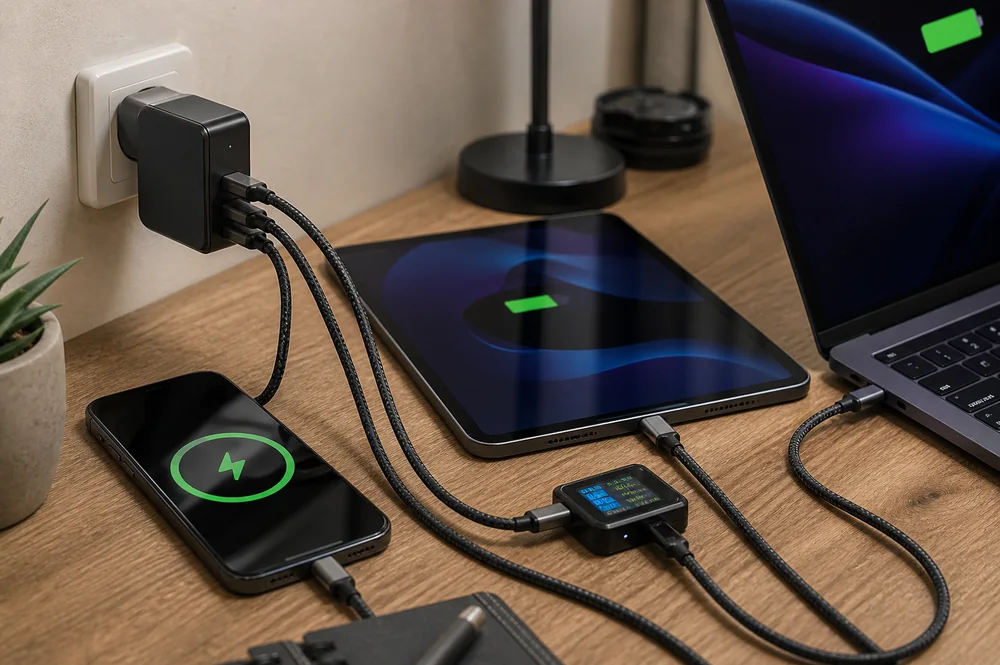
Charge the power bank with a documented source, allow it to reach a stable state, and test one device with documented requirements. Observe the display or indicator, connector fit and temperature during both charging and discharging. For models with built-in leads, test each lead separately before connecting more than one device.
Additional site guidance on this site includes How Battery Cell Quality Affects Power Bank Safety and Lifespan and How to Choose a Power Bank for Laptop Charging. Those two guides address adjacent decisions, while the present article remains responsible for the narrower question of 5000mAh built-in connector power bank. Maintaining those roles separate helps readers move from general principles to an item-specific checklist without repeating the same article under several titles.
Maintenance and early warning signs
Store the battery away from high heat and review it for swelling, impact damage, odor or a separating enclosure. Recheck retractable or integrated cables where they leave the body. Retailers should explain that capacity, maximum output and the number of usable phone charges are non-identical measurements influenced by conversion losses and the receiving device.
For 5000mAh built-in connector power bank, present PISEN 2-in-1 Power Bank with Integrated Connector 5000mAh 22.5W TP-D139 by its model name and documented specifications, then explain how those facts relate to short trips and emergency top-ups without a loose cable. Keep compatibility, performance, safety and durability claims limited to current documentation or repeatable checks.
Practical decision checklist
- Define the devices and duration the battery must cover.
- Separate stored capacity from maximum output.
- Verify the input source and cable used to recharge it.
- Test each built-in connector independently.
- Keep the pack out of hot vehicles and direct sun.
- Stop using a swollen, punctured or unusually hot battery.
Keep the recommendation traceable
A valuable buying note should name PISEN 2-in-1 Power Bank with Integrated Connector 5000mAh 22.5W TP-D139, the intended device, the required result and the checks still pending. If another model is substituted, repeat the review instead of carrying the old conclusion forward. This discipline matters for 5000mAh built-in connector power bank decisions as small changes in connector, output, dimensions or device generation can change the answer even when two products share similar marketing language.
Conclusion
A well-chosen 5000mAh built-in connector power bank is one that solves the stated problem without creating a new compatibility or handling issue. Use PISEN 2-in-1 Power Bank with Integrated Connector 5000mAh 22.5W TP-D139 as a traceable catalog example, verify the controlling device requirements, examine the physical item and complete a documented initial-use test. That process supports short trips and emergency top-ups without a loose cable while keeping the recommendation grounded in evidence that a buyer or technician can verify.