










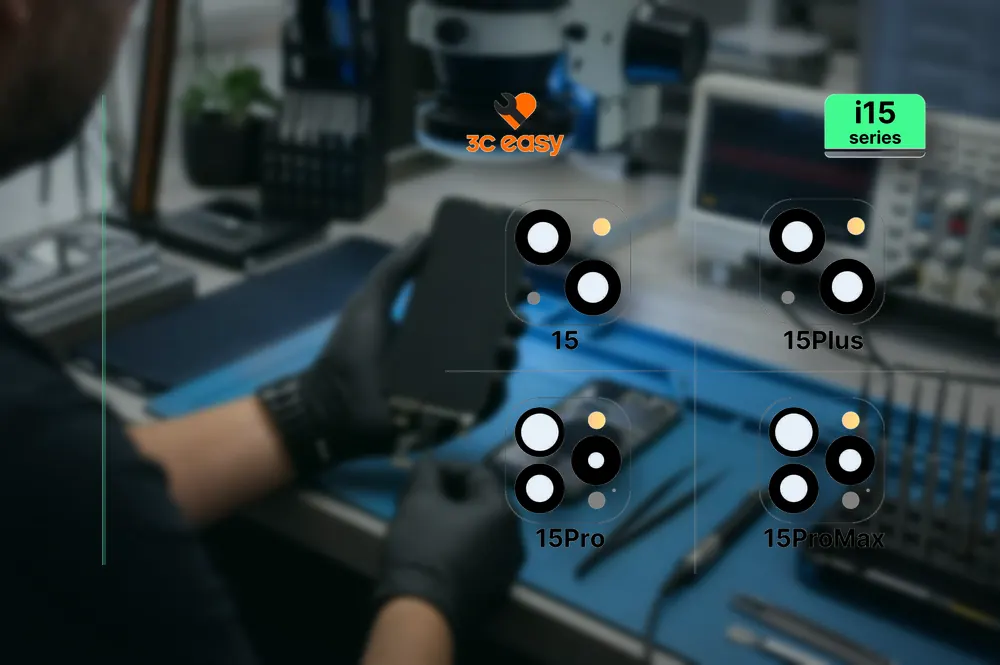
The main reason to consider a iPhone 15 camera lens glass replacement is distinguishing cover-glass damage from camera module damage. Reaching that result requires more than matching a familiar connector or the largest number on a package. A dependable decision combines the catalog item’s declared identity, the receiving device or installation point, careful hands-on inspection and a repeatable initial-use test.
Turn the use case into a checklist
The intended result is distinguishing cover-glass damage from camera module damage. Record the devices involved, connector or mounting interface, expected duration, working environment and any limitation that cannot change. This prevents a convenient feature from distracting from a basic mismatch. For business purchases, include who will install or use the item and how a return will be diagnosed.
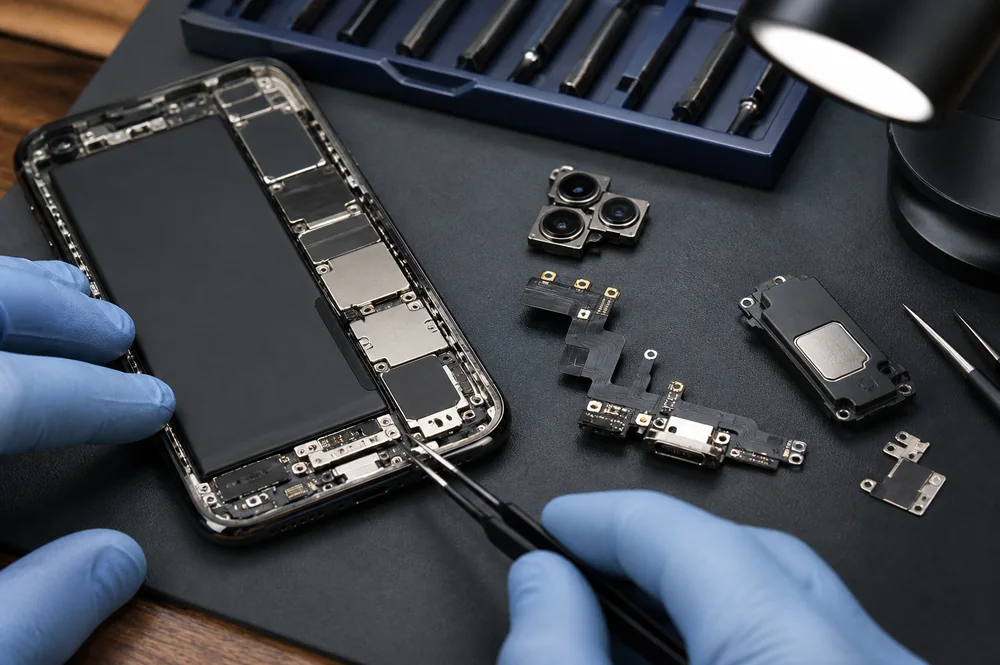
Prepare a protected bench, organize screws by position and compare the replacement with the original assembly before disconnecting more parts. A component that appears similar can differ in connector position, flex routing, sensor arrangement or frame geometry. Pre-installation evaluation reduces the chance that a compatibility mistake is discovered only after reassembly.
What the catalog entry actually establishes
The published catalog example is 3C EASY back camera lens-I15 series aftermarket. Its published name identifies that model and connector information. Those details are evidence for the named unit being discussed, but they avoid trying to prove every unstated feature, protocol, certification or compatible device. Make sure the active listing and packaging during pre-purchase review, especially when a regional plug, device generation, connector revision or included accessory could change the final behavior.
Create a job sheet with the target device identifier, original symptom, cosmetic condition and the part selected. Compare 3C EASY back camera lens-I15 series aftermarket with the removed assembly before transferring brackets, seals or sensors. Photograph flex routing and screw positions so the working assembly can be checked against a known reference.
Compatibility is a chain, not a single label
The replacement should be judged by the original complaint and by nearby functions that could be disturbed during service. A successful test is broader than seeing the screen light, hearing one tone or observing one charging icon. Use a written sequence and repeat it after assembled assembly so intermittent connectors and routing problems are more likely to appear.
Use the equipment manufacturer’s documentation as the primary reference for its input, connector and service work sequence. The Apple Self Service Repair resources provides useful standards context. An official source explains the standard; it does not certify a specific retail product unless that product is explicitly listed by the source.
Make sure ahead of assembly or first use
Under good light, review glass, frames, flex cables, connector contacts, adhesive surfaces and protective films. Refrain from attempting to install a part with a torn flex, bent contact, chipped edge or contamination near an optical or sensor area. Connect and test the replacement before applying permanent adhesive or sealing whenever the repair method allows. Record the original fault and noted performance so a later problem can be separated from the pre-existing condition.
Record the selected version, date, equipment selected and recorded result. A repair shop can add the job number; a retailer can note the supplier lot; an individual user can retain the order reference. Evidence tied to the precise item is more valuable than a broad quality claim and makes a future complaint easier to isolate.
Use a controlled controlled startup test
Bench-test the replacement before permanent adhesive whenever the service sequence permits. Then test the original complaint plus charging, touch, display, cameras, audio, buttons, sensors and wireless functions that may have been disturbed. Record any pre-existing failure as an alternative to attributing every result to the new part.
Additional site guidance on this site includes iPhone Charging Flex Replacement: Common Symptoms and Buying Tips and iPhone Front Camera Replacement: Compatibility and Installation Risks. Those two guides address adjacent decisions, while the present article remains responsible for the narrower question of iPhone 15 camera lens glass replacement. Maintaining those roles separate helps readers move from general principles to a model-specific checklist without repeating the same article under several titles.
Receiving checks for retailers and service teams
After reassembly, watch for pressure marks, intermittent connectors, abnormal heat, rapid battery change or sensor behavior that differs with movement. Repair businesses should describe aftermarket or replacement parts accurately and avoid promising original-manufacturer behavior that has not been verified for the documented assembly.
For iPhone 15 camera lens glass replacement, present 3C EASY back camera lens-I15 series aftermarket by its model name and documented specifications, then explain how those facts relate to distinguishing cover-glass damage from camera module damage. Keep compatibility, performance, safety and durability claims limited to current documentation or repeatable checks.
Practical decision checklist
- Verify the specific device model and original symptom.
- Compare connectors and flex routing before fitting the item.
- Test the part before working adhesive when possible.
- Examine nearby functions affected by disassembly.
- Use new seals or adhesive where the procedure requires them.
- Document the assembled result and any remaining limitation.
When to pause the decision
Do not order or install the iPhone 15 camera lens glass replacement while the correct model, interface or controlling specification remains uncertain. Request a clear label photo or current specification, then compare it with the actual device. A short delay is preferable to forcing a connection, accepting unstable fit or assuming that the precise version and connector information guarantees a result that is governed by other parts of the system.
Final verification note
Before relying on iPhone 15 camera lens glass replacement, repeat the decisive check with the actual equipment and normal operating conditions. Keep the model name, observed behavior and unresolved limitation together. This final note makes the recommendation easier to review if the device, cable, case, mount or installation conditions change later.
Conclusion
A well-chosen iPhone 15 camera lens glass replacement is one that solves the stated issue without creating a new compatibility or handling issue. Use 3C EASY back camera lens-I15 series aftermarket as a traceable catalog example, verify the controlling device requirements, examine the visible item and complete a documented first-session review. That process supports distinguishing cover-glass damage from camera module damage while keeping the recommendation grounded in evidence that a buyer or technician can verify.