








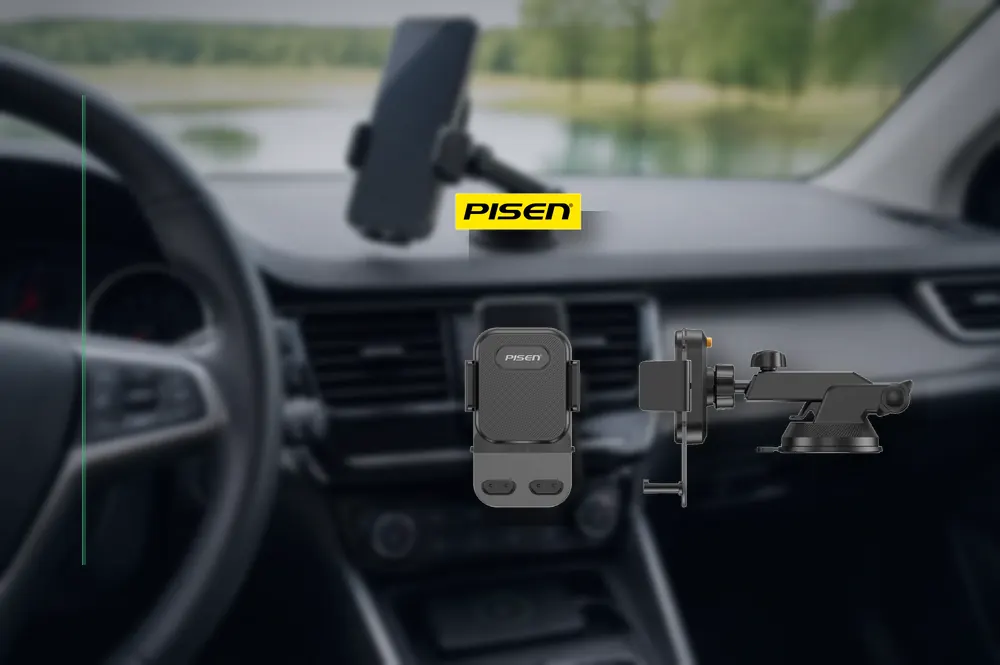
The main reason to consider a robot-arm car phone holder is multi-joint adjustment without excessive movement. Reaching that result requires more than matching a familiar connector or the largest number on a package. A dependable decision combines this model’s declared identity, the receiving device or installation point, careful visible inspection and a repeatable initial-use test.
Turn the use case into a checklist
The intended result is multi-joint adjustment without excessive movement. Note the devices involved, connector or mounting interface, expected duration, working environment and any limitation that cannot change. This prevents a convenient feature from distracting from a basic mismatch. For business purchases, include who will install or use the item and how a return will be diagnosed.
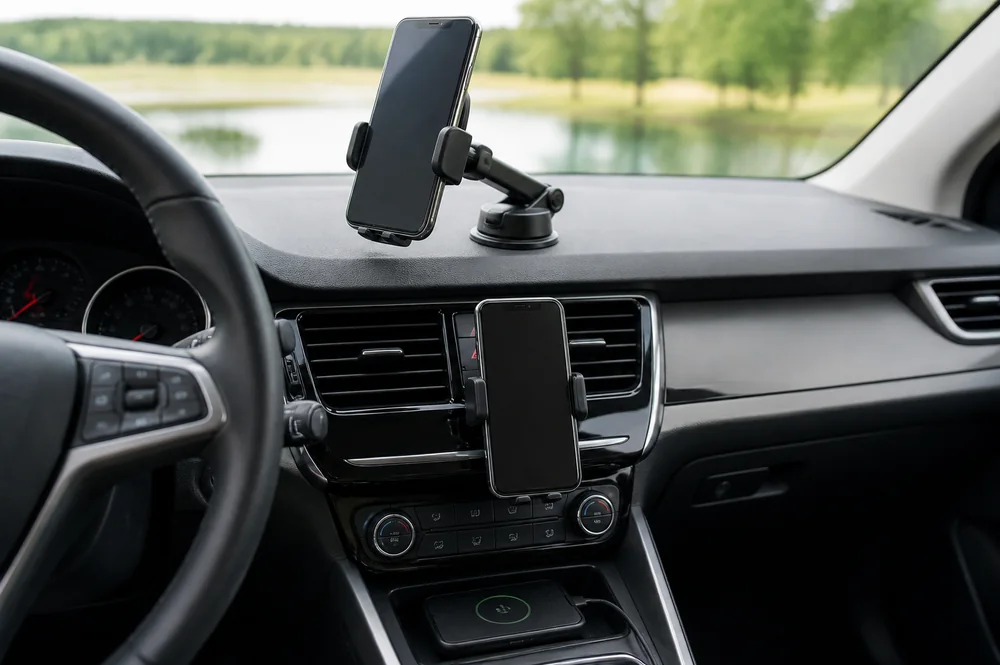
Evaluate the vehicle or mounting location while it is stationary. Review sight lines, control clearance, cable routing and the surface or vent that carries the load. A setup that feels stable by hand may move on rough roads, while a position that looks convenient can obstruct controls or encourage interaction while driving.
What the current sales page actually establishes
The present catalog example is PISEN-Robot Arm Car Mobile Phone Holder TP-ZJ05. Its published name identifies the correct version and connector information. Those details are evidence for that model being discussed, but they avoid trying to prove every unstated feature, protocol, certification or compatible device. Make sure the published product page and packaging before placing the order, especially when a regional plug, device generation, connector revision or included accessory could change the final behavior.
Measure the equipment in question with its normal case and record the mounting surface, vent style, handlebar diameter or headrest geometry. The description PISEN-Robot Arm Car Mobile Phone Holder TP-ZJ05 names the intended format, but fit still is governed by the real installation point. Keep those measurements with the order so a return can be diagnosed as fit, installation or hardware failure.
Compatibility is a chain, not a single label
Judge robot-arm car phone holder by device fit, attachment stability, control clearance and the movement expected during normal use. A stationary check cannot reveal every vibration or shift. Repeat the planned checks under safe, controlled conditions before relying on the mount. Recheck fit after changing the device, case, seat position, mounting surface or normal user position.
Use the receiving hardware manufacturer’s documentation as the working authority for its input, connector and service process. The NHTSA guidance on distracted driving provides useful standards context. An official source explains the standard; it does not certify a specific retail product unless that product is explicitly listed by the source.
Examine prior to installation or first use
Look over clamps, magnets, pads, pivots and adjustment joints before placing a device in the holder. Tighten only as the instructions allow; excessive force can damage a vent blade, trim panel or threaded joint. With the vehicle parked or bicycle stationary, shake the mount gently, operate the connected equipment-release mechanism and establish that the case does not prevent full engagement.
Record the named unit, date, test equipment and noted result. A repair shop can add the job number; a retailer can note the supplier lot; an individual user can retain the order reference. Evidence tied to the precise item is more valuable than a broad quality claim and makes a later issue easier to isolate.
Use a controlled controlled startup test
Install the holder without the target device, operate every joint and then add a lightweight test load. With the vehicle parked or bicycle stationary, verify clamp engagement, release action, joint tension and control clearance. Increase to the representative phone or tablet only after the support point remains secure.
Related technical context on this site includes How to Choose Tablet and Phone Holders for Cars, Offices and Stores and Magnetic vs. Gravity Car Phone Holders: Which Is Better?. The linked articles address adjacent decisions, while this guide remains responsible for the narrower question of robot-arm car phone holder. Holding those roles separate helps readers move from general principles to an item-specific checklist without repeating the same article under several titles.

Receiving checks for retailers and service teams
Pads can compress, threaded joints can loosen and vent blades can flex with recurring use. Recheck the mount after temperature changes and the first few trips. A seller should state device-size and mounting limits from available documentation and avoid describing any holder as universally compatible with every case, dashboard, vent or handlebar.
For robot-arm car phone holder, present PISEN-Robot Arm Car Mobile Phone Holder TP-ZJ05 by its model name and documented specifications, then explain how those facts relate to multi-joint adjustment without excessive movement. Keep compatibility, performance, safety and durability claims limited to current documentation or repeatable checks.
Practical decision checklist
- Measure the equipment in question while its normal case is fitted.
- Examine the supporting vent, trim, bar or headrest.
- Operate clamps and joints before loading the mount.
- Test stability while stationary.
- Keep controls and the driver’s view unobstructed.
- Recheck tension after the first trips.
When to pause the decision
Do not order or install the robot-arm car phone holder while the documented model, interface or controlling specification remains uncertain. Request a clear label photo or published specification, then compare it with the actual device. A short delay is preferable to forcing a connection, accepting unstable fit or assuming that the selected version and connector information guarantees a result that follows other parts of the system.
Final verification note
Before relying on robot-arm car phone holder, repeat the decisive check with the actual equipment and normal operating conditions. Keep the model name, observed behavior and unresolved limitation together. This final note makes the recommendation easier to review if the device, cable, case, mount or installation conditions change later.
For a different holding mechanism, review how gravity phone holders clamp a phone. Compare the actual case fit and mounting location before transferring a placement recommendation between designs.
Conclusion
A well-chosen robot-arm car phone holder is one that solves the stated fault without creating a new compatibility or handling issue. Use PISEN-Robot Arm Car Mobile Phone Holder TP-ZJ05 as a traceable catalog example, verify the controlling device requirements, review the hardware item and complete a documented first-session review. That process supports multi-joint adjustment without excessive movement while keeping the recommendation grounded in evidence that a buyer or technician can review.